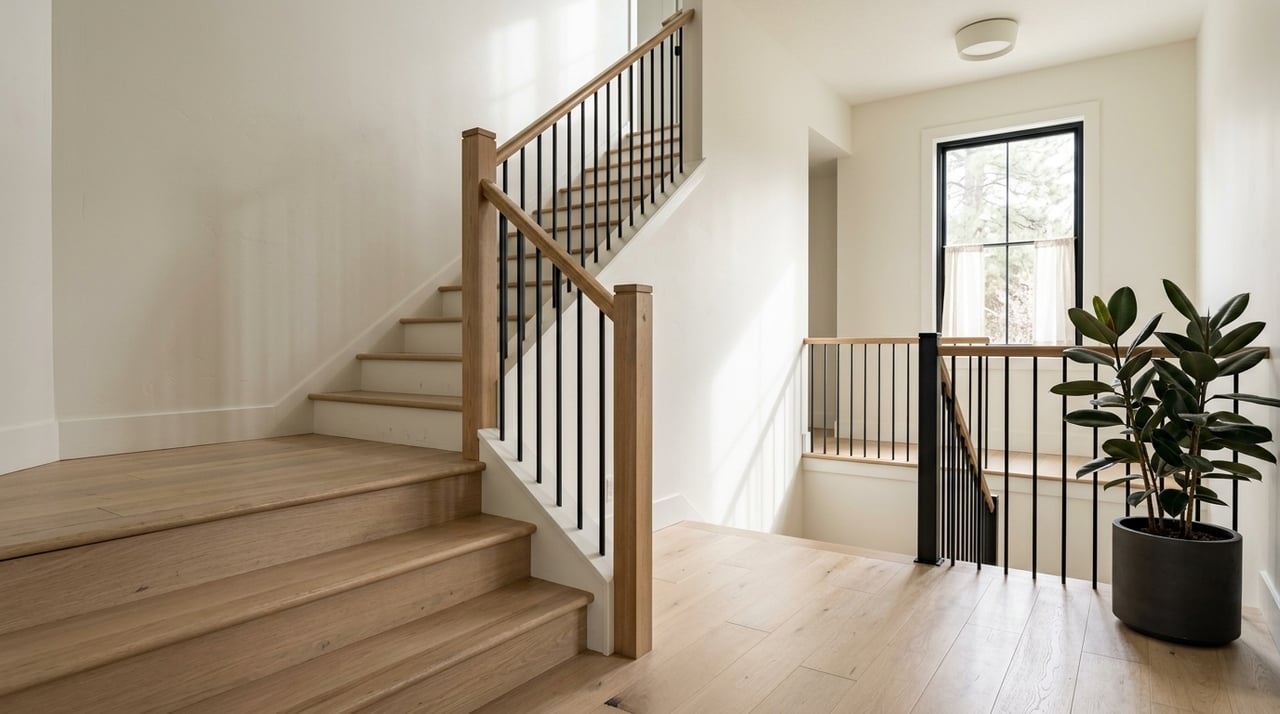
Trading Up In Arvada: A Guide For Move-Up Homeowners
June 18, 2026
June 18, 2026
If your current home no longer fits the way you live, you are not alone. Many Arvada homeowners are asking the same question right now: should you stay put, or is it time to move into a home with more space, a different layout, or a new part of town? The good news is that Arvada still offers a wide range of move-up options, and with the right plan, you can make a smart next step without adding unnecessary stress. Let’s dive in.
Arvada remains an active housing market in 2026, even though different data sources describe the pace a little differently. Recent figures show median sale prices ranging from about $615,535 to $631,622, with homes moving anywhere from around 9 days to 29 days depending on the source and time frame.
That matters if you are planning to sell one home and buy another. Well-priced homes are still moving, but the market is not behaving like the peak frenzy of the past few years. Prices are also modestly softer year over year, which may give you a bit more room to negotiate on your next purchase while still requiring a thoughtful pricing strategy on your current home.
When you think about trading up, your first question is usually simple: how much do you have to work with? Home equity is the difference between your home’s value and what you still owe on your mortgage.
But for move-up planning, that is only the starting point. Your usable equity should also account for selling costs, any prep work like repairs or staging, and the closing costs on the home you buy next. Closing costs on a purchase usually run about 2% to 5% of the purchase price, not including your down payment.
Before you assume your current home gives you a certain budget, make sure you subtract:
This step helps you avoid shopping above your comfort zone. It also gives you a more realistic picture of what price range makes sense for your next home in Arvada.
A larger or more expensive home can change your monthly budget in ways that are easy to overlook. Even if the mortgage payment feels manageable, your full carrying cost may rise more than expected.
In Jefferson County, property taxes are based on actual value, assessment rate, and mill levy. For tax year 2025 payable in 2026, residential property is assessed at 7.05% for school districts and 6.25% for other local government. In practical terms, moving up in price often means a noticeable increase in taxes along with higher insurance and maintenance costs.
As you review homes, compare the full monthly picture:
That wider view can help you choose a home that supports your long-term goals, not just your short-term wish list.
One of the biggest advantages of trading up in Arvada is that you have meaningful choices within the city. Current neighborhood and ZIP-code pricing shows a broad spread, which can make it easier to match your next move to your budget.
Realtor.com reports median listing prices of about $487,500 in Historic Olde Town, $572,500 in Ralston Valley, $599,950 in Northwest Arvada, and $720,000 in Scenic Heights. By ZIP code, the median listing prices are about $599,000 in 80004, $670,000 in 80005, and $825,349 in 80007.
That range matters because a move-up plan in one part of Arvada may look very different in another. In general, staying closer to the older core may help keep your budget lower, while moving toward the northwest side and 80007 often means a higher purchase price. That said, finishes, lot size, HOA structure, and maintenance needs can shift the value equation quickly.
If you are deciding where to focus, it helps to break the search into a few broad paths:
Some west-side pockets also remain competitive. In May 2026, Redfin reported Northwest Arvada at a median sale price of $599,798, 9 days on market, and a 101.2% sale-to-list ratio.
This is one of the biggest decisions move-up homeowners face. The right answer depends on your finances, your comfort with risk, and how flexible your timing can be.
A good plan should be in place before you make an offer. CFPB guidance notes that buyers can shop for homes and loan options at the same time, should get preapproved, and should make offers contingent on financing and a satisfactory inspection.
Selling first often works best if certainty matters most. You will know your sale proceeds, have a clearer budget, and reduce the risk of carrying two housing payments at once.
The trade-off is timing. You may need temporary housing, a rent-back arrangement, or a very tight purchase timeline depending on how your sale and next purchase line up.
Buying first can make sense if you have a strong cash buffer or another financing strategy. It may give you more time to find the right home and avoid making a rushed purchase.
The downside is added financial pressure. If your current home does not sell as quickly as expected, you could end up managing two payments or other short-term borrowing costs.
A simultaneous close can work well when pricing, timing, and lender communication all line up. This approach can reduce the gap between selling and buying and may limit the need for temporary housing.
It also requires close coordination. Even small delays can affect both sides of the move, so this path works best when everyone is prepared and the timeline is managed carefully.
Some move-up homeowners consider a home equity loan or HELOC to bridge the gap between selling and buying. These can be useful tools, but they are not free money.
CFPB treats both as second mortgages secured by your home. That means you are taking on another payment obligation, and if you cannot repay it, the risk is serious. Equity can support a move-up strategy, but it should be viewed as financing, not automatic cash.
Before you use a HELOC or home equity loan, ask yourself:
For many households, the right answer is less about what is technically possible and more about what keeps the move manageable.
It is easy to start with online searches and open houses, but your best first move is building a strategy. When you know your budget, timing, and preferred Arvada areas, you can make stronger decisions and avoid unnecessary pressure.
A smart move-up plan usually includes:
This kind of planning is especially helpful in a market like Arvada, where homes can still move quickly when they are priced well.
Trading up is not just about finding a bigger home. It is about balancing sale timing, neighborhood fit, monthly costs, and negotiation strategy in one plan.
That is where local experience can make a real difference. Arvada has a wide internal price range, different levels of competition by area, and important budget differences from one ZIP code to the next. Having clear guidance can help you compare options, prepare your current home well, and move with more confidence.
If you are thinking about trading up in Arvada, Lynda Chrisp can help you map out the numbers, timing, and neighborhood options so you can make your next move with clarity.
Stay up to date on the latest real estate trends.


With over 11 years of experience in the Denver real estate market, Lynda provides expert guidance, personalized service, and strong negotiation to help you achieve your real estate goals.