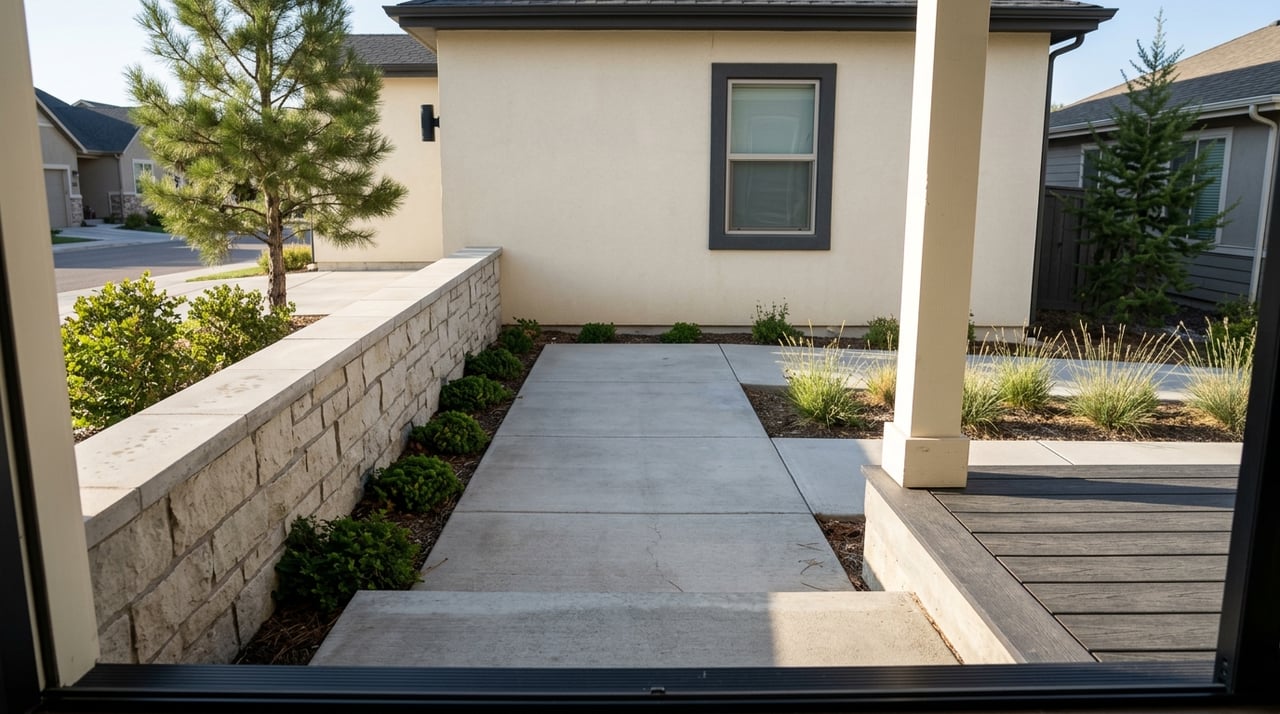
Moving to Golden CO: A Guide to Life Near the Foothills
June 4, 2026
June 4, 2026
Thinking about moving to Golden? You are not alone. Golden has a pull that is easy to understand: a historic downtown, quick foothills access, and a setting that feels distinct from a typical suburban move. If you are wondering what daily life really looks like here, this guide will walk you through neighborhoods, housing, commuting, and outdoor access so you can make a more confident decision. Let’s dive in.
One of the first things to know about Golden is that it is a compact, mature city. The city has about 20,151 residents spread across 9.63 square miles, and public planning documents describe it as largely built out with little to no vacant land left in many areas.
That matters when you start your home search. In Golden, you are often choosing between historic homes, older subdivisions, infill development, multifamily options, and select newer construction rather than browsing large new-home communities. The result is a market with more variety in home style and lot character, but also less room for broad outward growth.
Golden is not one-size-fits-all. Public neighborhood profiles identify areas such as historic downtown, Lookout Mountain, Gateway Village, North Golden, and South Golden, and the city’s planning documents describe an eclectic housing mix that includes single-family homes, multifamily homes, and cohousing.
For buyers, that means your experience can shift quickly depending on where you land. One block may feel closely tied to downtown activity and older architecture, while another may feel quieter, more residential, or more connected to foothills terrain and major road corridors.
Golden’s history goes back to 1859, and the city served as the capital of the Colorado Territory from 1862 to 1867. The city has had a preservation ordinance since 1983 and maintains three designated local historic districts along with a Historic Preservation Board.
You can feel that emphasis in and around downtown. The city’s preservation planning highlights downtown’s varied architecture, streetscape, walkability, accessibility, and small-scale character as major assets. If you are drawn to older buildings, a preserved core, and a more traditional town-center feel, this part of Golden stands out.
Golden’s Central Neighborhoods plan describes a blend of original homes, early subdivisions, and newer construction. It also notes a mix of housing types rather than a single dominant pattern.
That can be helpful if you want options. You may find a smaller older home, a multifamily property, or a home with a very different feel than what you would expect in a more uniform subdivision-based market.
Areas tied more closely to Lookout Mountain or the outer edges of the city can offer a different rhythm than the historic core. These parts of Golden may feel more tied to terrain, trail access, and driving routes than to an easy walk downtown.
That does not make one area better than another. It simply means Golden rewards a very location-specific search. Two homes with similar price points can offer very different daily routines.
If you want to live near the foothills, Golden delivers. Jefferson County describes Apex Park as a popular foothills experience just minutes from downtown, and nearby open-space destinations also include North Table Mountain Park, Clear Creek Canyon Park, Lookout Mountain Nature Center, and Beaver Brook Trail.
This is one of Golden’s biggest lifestyle advantages. Outdoor access here is not just a weekend bonus. Depending on where you live, trails, canyon scenery, biking routes, climbing areas, and creekside recreation may feel closely woven into your normal routine.
There is one important practical point to keep in mind. Park access can change with seasonal wildlife closures, trail maintenance, and route-specific rules in places like Apex Park, North Table Mountain, and Clear Creek Canyon.
So yes, living near the foothills is a major draw. But it is smart to think of recreation access as managed access, not unlimited access. If trails are a top priority for your move, it helps to understand how your preferred parks function across different seasons.
Many buyers ask whether Golden is walkable. The short answer is yes in some areas, especially around downtown, but not in the same way across the entire city.
The city places strong value on downtown walkability and accessibility, and that area tends to offer the most pedestrian-friendly experience. At the same time, planning documents note that some residential streets have wide rights-of-way and narrow or absent sidewalks.
Golden does not read like a uniform suburban grid. Some blocks feel easy to navigate on foot, while others are more car-oriented.
That is why a map search is only part of the story. When you are considering a home, it helps to think through your daily habits, such as walking to restaurants, accessing trails, reaching transit, or simply moving around the neighborhood on foot.
Golden is an established and relatively high-cost market. Census data shows a median owner-occupied home value of $837,700, a median gross rent of $1,953, and an owner-occupied rate of 56.8%.
For many movers, this means planning carefully before jumping in. Golden offers a lot in terms of setting and identity, but your budget may need to stretch differently here than it would in other parts of the west metro.
Golden’s comprehensive plan describes the city as compact and mature, with limited opportunity for expansive residential growth. That helps explain why housing character, preservation, redevelopment, and infill matter so much here.
In practical terms, you may see competition around homes that offer location advantages near downtown, transit connections, or easy foothills access. You may also find that older homes carry real value because of where they sit within the city, not just because of updates or square footage.
Golden’s planning goals support a continuum of housing options and specifically call for preserving older housing, integrating affordable housing into existing neighborhoods, and preserving manufactured housing communities as an important option.
That is useful context if you are entering the market with flexibility. A successful move to Golden may involve looking across housing types, not just focusing on one narrow category.
Golden can work well for commuters, but the experience depends heavily on where you live and where you need to go. Census data puts the mean travel time to work at 24.4 minutes, which suggests a commute that is reasonable for many households but not effortless.
Golden is served by RTD’s W Line, which runs from Union Station to Jefferson County Government Center-Golden Station. That station also offers free parking and connections to FlexRide.
Even with rail access, Golden’s transportation planning still revolves around major corridors such as US 6, SH 93, SH 58, I-70, and C-470. The city also calls out concerns such as roadway noise, pedestrian safety, and cross-community connectivity.
This is an important reality check for movers. If your daily schedule depends on a smoother trip, your exact location within Golden can make a big difference. A home that looks ideal on paper may feel very different once you factor in your regular route.
Golden often appeals to buyers who want more than just a house. It tends to attract people who value a defined city identity, regular outdoor access, and a location with a preserved center rather than a master-planned feel.
It can also make sense for buyers who are comfortable weighing tradeoffs. You may get character, access, and scenery, but you may also need to navigate higher prices, limited inventory, variable walkability, and commute decisions that are more corridor-specific.
Before you commit to Golden, it helps to get clear on what matters most in your day-to-day life. A focused search usually starts with a few practical questions:
When you answer those questions first, Golden becomes much easier to evaluate. Instead of searching for a perfect neighborhood, you can focus on the part of Golden that best fits how you actually live.
Golden offers a compelling mix of preserved character, outdoor access, and practical west-metro convenience. It is not a blank slate, and that is exactly why many buyers are drawn to it. If you want help comparing Golden with other west Denver communities or narrowing down the right neighborhood and property type, Lynda Chrisp can help you build a strategy that fits your goals.
Stay up to date on the latest real estate trends.


With over 11 years of experience in the Denver real estate market, Lynda provides expert guidance, personalized service, and strong negotiation to help you achieve your real estate goals.