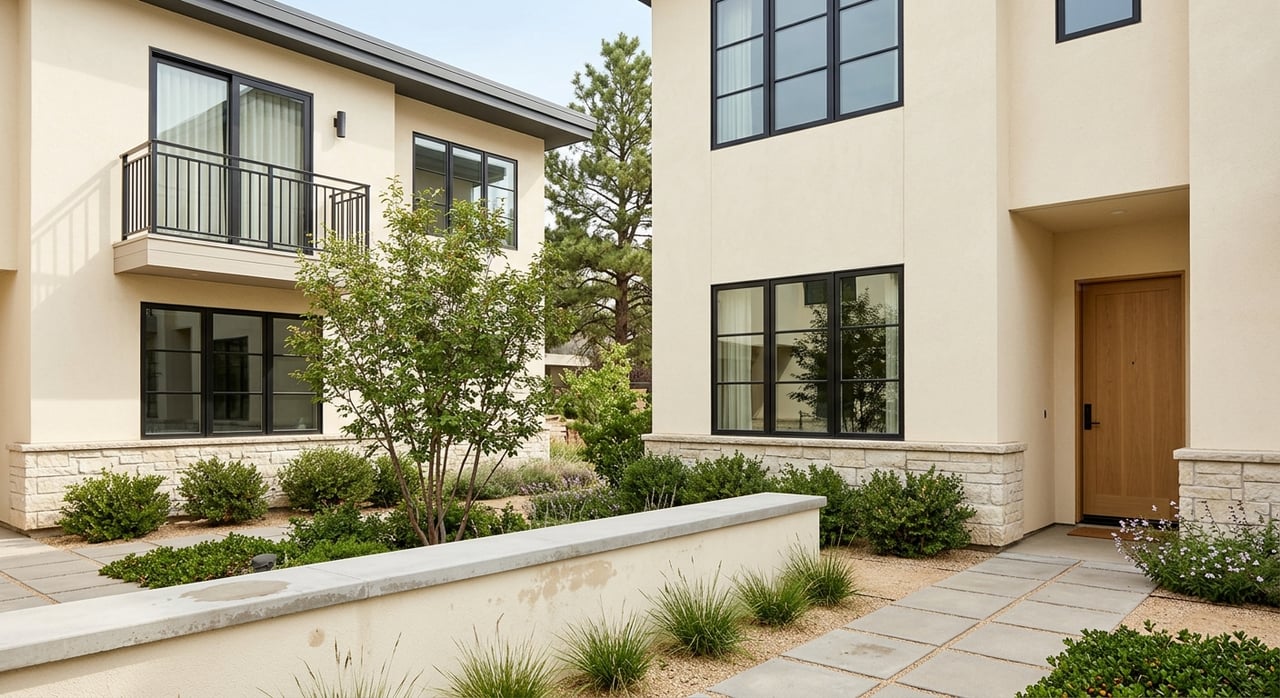
Superior Condos and Townhomes: What Buyers Should Review
Lynda Chrisp July 2, 2026
Lynda Chrisp July 2, 2026
If you like the idea of lower-maintenance living but still want a home base in one of Boulder County’s most convenient communities, condos and townhomes in Superior deserve a close look. These properties can offer a practical path into the market, a simpler day-to-day lifestyle, and good access to both Boulder and Denver. The key is knowing that attached homes in Superior can vary a lot by neighborhood, HOA structure, parking setup, and monthly costs. Let’s dive in.
Superior’s location is a big part of the appeal. The town sits along U.S. 36 between Boulder and Denver, with regional transit options that include the Flatiron Flyer, the U.S. 36/McCaslin Park-n-Ride, and Superior FlexRide service.
For many buyers, that convenience makes condos and townhomes worth a serious look. If you want easier commuting, less exterior upkeep, or a home that may fit a smaller household, Superior has been adding more of that type of housing in recent years.
The town’s 2023 Housing Needs Assessment shows that detached homes still make up most of the housing stock, at 60% of inventory. At the same time, multifamily building permits have outnumbered single-family permits since 2020, and more recent construction has added studios, one-bedroom, and two-bedroom homes.
If you start shopping in Superior, you will likely notice that attached homes are not spread evenly across town. A few key areas tend to come up again and again when buyers compare options.
Downtown Superior, also called Superior Town Center in some planning documents, is one of the main places to find newer attached housing. This area is set up as a planned development with multiple final development plans and architectural guidelines.
One example is Alta Flatirons, a mixed-use project that adds 251 residential units with studio, one-bedroom, and two-bedroom layouts, along with shared amenities and commercial space on Main Street. If you want a more compact, walkable setting with newer construction, this is one of the most important areas to understand.
The Rock Creek master-planned area offers a different feel. Town planning documents describe Rock Creek Ranch as a larger area with both single-family and multifamily housing, along with trails, open space, parks, pools, and commercial nodes.
For attached-home buyers, that often translates to a more suburban setting with community amenities nearby. If Downtown Superior feels a little too compact for your taste, Rock Creek may offer a different balance.
Newer townhome-oriented projects such as Superior Shores are also part of the attached-home growth story. Town planning materials and budget documents point to continued development in areas like Downtown Superior and other newer neighborhoods.
That matters because buyers today are often comparing not just resale condos and townhomes, but also newer product with different layouts, parking rules, and service structures.
One of the biggest mistakes buyers make is assuming all condos and townhomes function the same way. In Superior, the product can feel very different depending on where you buy.
Some newer Downtown Superior townhomes follow a compact pattern. The Block 25 standards allow 0-foot front, side, and rear setbacks, a height cap of 44 feet, and parking requirements of 1.5 spaces for two-bedroom units and 2 spaces for three-bedroom units.
In plain terms, that can mean a more space-efficient design, less private exterior area, and closer proximity to neighbors. For some buyers, that tradeoff works well because it supports a more central, lower-maintenance lifestyle.
Lanterns at Rock Creek shows a different type of attached housing. This community allows duplexes, caps buildings at 35 feet, and requires 2 to 3.5 parking spaces depending on bedroom count, plus guest parking.
Compared with Downtown Superior, this type of home may feel more suburban in layout and scale. If parking, guest access, or a less dense setting matters to you, differences like these are worth paying attention to early in your search.
Parking can be a major quality-of-life issue with condos and townhomes, especially if you have multiple drivers, frequent guests, or limited private storage. In attached-home communities, parking rules are often more detailed than buyers expect.
Downtown Superior has free parking in multiple locations, but on-street time limits apply, and the town manages a total of 1,075 parking spaces in the area. That may not sound important at first, but it becomes very important when you compare homes with limited driveways, garage space, or guest parking.
Before you buy, make sure you understand:
In Superior, many condo and townhome communities are association-governed. The town’s HOA directory includes many of the neighborhoods buyers often compare, such as Bell Flatirons, Calmante, Coal Creek Crossing, Lanterns at Rock Creek, Rock Creek Ranch, Saddlebrooke, Summit at Rock Creek, The Ridge, Superior Town Center, Waterford, and Rogers Farm.
Colorado’s Department of Regulatory Agencies says buyers should review the declaration or CC&Rs, bylaws, rules, policies, and financial documents after going under contract. It also notes that the declaration can be obtained from the county Clerk and Recorder before closing.
That due diligence matters because HOA living can affect your budget and daily routine in ways that are easy to miss during a showing. You are not just buying the unit. You are also buying into a shared structure, shared rules, and shared financial decisions.
As you review documents, focus on the items that can shape your costs and flexibility:
Colorado DORA also stresses that HOA financial health matters because there is no regulatory oversight of HOA finances. That is one reason reserve funding and meeting minutes deserve close attention.
Insurance can be more layered with condos and townhomes than with detached homes. According to Colorado DORA guidance, associations must carry property insurance on common elements and liability coverage, and condo and townhome associations will almost certainly need to file claims after hail, wildfire, or other damage events.
That does not mean the HOA policy covers everything inside your unit or every possible loss. Buyers should confirm what the association’s master policy covers, what the deductible is, and whether the owner needs additional hazard coverage.
This is especially important in attached housing because insurance responsibility is often shared between the HOA and the owner. If that division is unclear, surprise costs can follow later.
When you compare condos and townhomes in Superior, monthly cost planning should go beyond principal, interest, taxes, and HOA dues. There can be neighborhood-specific fees and service differences that affect your real budget.
Superior’s 2026 budget lists a monthly landscape maintenance fee of $33.46 for single-family attached and condominium residences. That is a town-imposed fee buyers should include in their monthly ownership math.
Waste service can also vary by neighborhood. The town’s utility information shows that trash, recycling, and compost service is town-run in some neighborhoods but HOA-run in others, including Rock Creek Ranch and The Summit at Rock Creek Townhomes.
The town contract covers neighborhoods including Original Town, Sagamore, The Ridge, Coal Creek Crossing, Downtown Superior, Calmante, Lanterns, Montmere at Autrey Shores, Rogers Farm, and Superior Shores. In other areas, especially some Rock Creek-area townhomes, waste service may be handled through a private HOA contract.
Condos and townhomes can work well for several types of buyers in Superior. The town’s housing-needs work points to demand for homes that support downsizing, aging in place, and smaller households, while recent construction has added more small units for single households and couples.
That often makes attached homes a strong fit if you are:
Of course, every buyer has different priorities. If you want more privacy, a larger yard, or fewer shared decisions, a detached home may still be the better match.
The right questions can help you compare one Superior community to another with much more confidence. This is where practical due diligence really pays off.
Ask these questions during your search:
These questions line up well with Colorado HOA guidance and with the way neighborhood services differ across Superior.
For most buyers, the biggest tradeoff is simple. You may get less yard work and exterior maintenance, but in exchange you take on more rules, shared walls, shared insurance exposure, and a stronger need to evaluate HOA finances.
That is not a bad deal. It is just a different ownership model, and it works best when you go in with clear expectations.
If you are comparing condos and townhomes in Superior, the best choice often comes down to your preferred setting, your tolerance for HOA structure, your parking needs, and the kind of monthly budget you want to maintain. If you want help sorting through those details and comparing communities with a practical local lens, reach out to Lynda Chrisp.
Stay up to date on the latest real estate trends.


With over 11 years of experience in the Denver real estate market, Lynda provides expert guidance, personalized service, and strong negotiation to help you achieve your real estate goals.